Rental Pest Management in Hamilton: A Local Guide for Renters and Landlords
Why Apartments in Hamilton Face Unique Pest Problems
Apartment pest control in Hamilton is not the same from treating a single-family home because Hamilton apartments exist within multi-unit buildings where pests can travel between walls, ceilings, hallways, laundry rooms, and utility chases. In established downtown Hamilton buildings, gaps around plumbing, baseboards, and shared service lines often become common pest entry points. In recent high-rise towers on the Mountain or in Stoney Creek, pests can still travel through package rooms, garbage areas, and mechanical spaces if building maintenance is lax.
The local climate also matters. Hamilton’s humid summers can boost insect activity, while freeze-thaw winters push rodents and insects indoors looking for food, warmth, and shelter. That means pest control Hamilton services often need to tackle both seasonal pressure and long-term building conditions. In apartment settings, one untreated suite can become a source of infestation for neighbouring units, which is why prevention and fast response are so critical.
Another reason apartment issues are so ongoing is shared living. Tenants may do their part with cleaning and storage, but if property maintenance, trash handling, and sealing work are delayed, pests find opportunities to create harbourage. Effective apartment pest control depends on joint action from landlords, property managers, and tenants using an approach that blends sanitation, monitoring, and exclusion.
The Top Apartment Invaders in Hamilton
The most common apartment pests in Hamilton are bed bugs, cockroaches, mice, and ants. These insects are especially problematic in multi-unit buildings because they can move from one suite to another and remain in small, difficult-to-access spaces.
Bed bugs are a significant problem in rental housing because they move through furniture, luggage, shared laundry areas, and close-contact environments. They do not indicate poor housekeeping alone, which is essential for both tenants and property managers to understand. In Hamilton, ON, bed bug cases are regular in buildings with high turnover, especially in downtown Hamilton and older walk-up apartments.
Cockroaches do well where food crumbs, moisture, and clutter build up. Kitchens, bathrooms, and garbage chutes are typical problem areas. Once established, cockroaches can be hard to eliminate without a professional treatment plan and strong sanitation practices.
Mice are a frequent concern in apartment basements, storage rooms, and ground-floor units. They are part of the broader rodents problem that can affect older buildings, especially where sealing entry points has been neglected. Mice can slip through tiny openings near pipes, vents, and utility penetrations.
Ants often emerge in kitchens and around window frames during warmer months. While some ant problems are seasonal, recurring trails can indicate a deeper issue with moisture, accessible food, or cracks in the building envelope. In apartment buildings, even a small ant problem can become a recurring issue if units and common areas are not monitored together.

Warning signs You Require Pest Control in Your Hamilton Apartment
Recognizing the first alert signs can let you respond before a small issue becomes a full infestation. Common signs include feces, bite marks, mildewy odours, and active pests. These indicators often appear in kitchens, closets, baseboards, sleeping areas, and storage spaces.
Pest droppings are one of the clearest signs of a pest problem. Small dark pellets may point to mice, while pepper-like specks or smear marks can indicate cockroaches. If you notice droppings near food storage, under sinks, or behind appliances, document the area and report it quickly.
Bites on skin, bedding, or upholstered furniture can suggest bed bugs, especially if you wake with clustered bites after sleeping. Bed bugs are notoriously hard to detect early because they hide during the day. Look for tiny blood spots or dark stains on sheets and mattress seams.
Stale odours can be another clue. A persistent oily, stale, or sweet smell may point to cockroaches, while rodent nesting areas may have a strong ammonia-like odour. If an area smells different and you also notice scratching, gnaw marks, or movement at night, call for an inspection.
Live insects should never be ignored, even if you only see one or two. In apartments, a single pest can indicate a larger hidden population behind walls or in adjacent units. Early monitoring and inspection are essential because a visible pest is often only part of the problem.
How Multi-unit Pest Control Works in Hamilton, ON
Professional apartment pest control in Hamilton, ON usually begins with a careful inspection. A qualified technician will assess the affected unit, common areas, and any suspected harbourage sites. They may use an inspection checklist to look for droppings, live activity, access gaps, moisture issues, and signs of breeding or nesting.
Based on the findings, the company develops a treatment plan. In apartment settings, that plan often includes targeted product use, https://maps.apple.com/?q=Pest%20control%20service&near=43.1795221,-79.78460129999999 source reduction, sanitation improvements, and exclusion work. This is where integrated pest management becomes especially valuable. Rather than relying on a basic spray-and-go visit, IPM focuses on identifying the cause of the infestation and reducing conditions that allow pests to come back.
Depending on the pest, treatment may include baiting, dusting, residual control, traps, or other methods selected for the building environment. A good provider will explain how the solution supports extermination without disrupting residents more than necessary. Many Hamilton tenants want discreet service with odourless options that are safe for families, especially in busy buildings with children, seniors, or pets.
Follow-up service is essential. Pest issues in apartments rarely end after one visit, especially if the building has shared walls or a larger building-wide treatment need. A reliable program includes follow-up treatment, repeat monitoring, and guidance for both residents and management. Without follow-up, a recurring issue can recur quickly, especially in older downtown Hamilton properties or high-traffic high-rises.
What Tenants Should Do Before Treatment
Resident cooperation makes for apartment pest control much more effective. Ahead of treatment, residents are commonly asked to complete decluttering, laundry, vacuuming, and improved food storage. This preparation enable the technician access harbourage areas and lower the chance pests will remain or move around.
Decluttering clears away hiding places and increases access to baseboards, closets, furniture, and storage areas. Paper stacks, bags, and items on the floor can create sheltered zones where pests hide. In smaller Hamilton apartments, especially older downtown units, reducing clutter can be especially helpful.
Laundry is particularly important for bed bug treatment. Wash bedding, clothing, and fabric items according to the instructions provided by the pest control company. Sealed bags can help keep clean items separate from infested materials during the process.
Vacuuming helps pick up insects, eggs, droppings, and debris before treatment. Focus on mattress seams, edges of carpets, around baseboards, and behind furniture. Dispose of vacuum contents immediately as directed.
Proper food storage is essential when cockroaches or mice are involved. Keep dry goods in sealed containers, clean counters, and avoid leaving pet food out overnight. This supports sanitation and reduces access to food sources that sustain infestation.
To get the best results, tenants should carefully follow the technician’s instructions closely. In apartment buildings, the success of treatment often depends on preparation as much as the product used.
What Landlords and Rental managers Are In Charge Of
In Hamilton rental housing, landlords and property managers have a key role in pest prevention and response. Under the Residential Tenancies Act, they are generally responsible for maintaining the property in a good state of repair and addressing pest problems through appropriate property maintenance and timely action.
A timely response matters because pests spread quickly in multi-unit buildings. If one resident reports bed bugs, cockroaches, or mice, management should act without delay rather than waiting for the problem to worsen. Delays can allow pests to migrate into neighbouring suites, making building-wide control more complicated and expensive.
Landlords and managers also need to coordinate unit access. Effective apartment pest control often requires entry into the affected unit and, when needed, adjacent suites or common areas. If tenants are not available or access is not arranged, treatment can stall and the infestation may persist.
Good management also includes preventive maintenance, such as repairing leaks, improving lighting in waste areas, sealing gaps around pipes, and ensuring garbage rooms remain clean. These responsibilities are not just cosmetic; they are part of practical pest prevention in Hamilton’s rental stock, from older walk-ups near downtown Hamilton to newer apartment towers on the Mountain and in Stoney Creek.
Prevention Tips for Pest Prevention in Apartments in Hamilton
Prevention is the best-value part of pest control Hamilton services. The goal is to reduce food, moisture, harborage, and access points so pests cannot take hold. For apartments, that starts with sealing cracks, maintaining strong sanitation, improving waste management, and consistent monitoring.
Sealing cracks around baseboards, trim, plumbing penetrations, electrical outlets, vents, and utility chases can significantly reduce access points. This is especially important in older Hamilton, ON buildings where settling, renovations, and age have created gaps that pests exploit. Even tiny openings can serve as entry points for mice and insects.
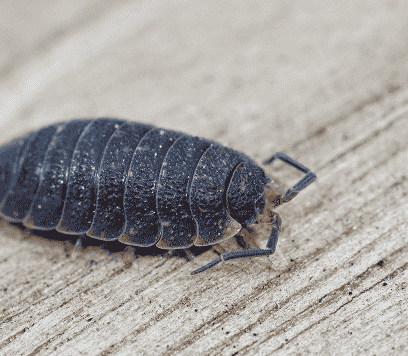
Sanitation is also important. Clean kitchen surfaces, sweep floors, store food properly, and reduce moisture from sinks, tubs, and leaky fixtures. In shared buildings, sanitation in common areas matters too. Hallways, laundry rooms, and package rooms can become pest hotspots if food residue or clutter is left behind.
Waste management can have a major impact on apartment pest prevention. Trash should be removed regularly, bins should be closed, and garbage chutes or collection rooms should be kept clean. In Hamilton neighbourhoods with dense apartment clusters, poor waste handling around buildings can rapidly increase pressure from rodents and insects.
Monitoring should be ongoing. Sticky traps, routine inspections, and resident reporting help identify problems early. This is particularly useful for buildings with a history of pest activity, where preventive maintenance and early detection are more effective than waiting for an obvious infestation.
When to Call a Professional Pest Control Company
Call a local pest control company when the problem won't go away, when there are signs of recurring infestations, or when pests are moving between units. Apartment buildings in Hamilton often need support from a licensed pest control company because a do-it-yourself approach may not reach the source of the issue.
Professional help is especially critical when there is clear multi-unit spread. If neighbouring suites, hallways, or storage areas are involved, a coordinated response is needed. This may include building-wide treatment, not just individual unit treatment. A technician can determine whether the infestation is contained or part of a larger building pattern.
Some situations require chemical treatments as part of a broader integrated plan. These should always be recommended and used by trained professionals who understand apartment layouts, resident safety, and local regulations. The right provider will balance effective control with minimal disruption.
Hamilton residents often try to manage pests alone at first, but repeated sightings, scratching noises, or renewed activity are strong signs that professional intervention is needed. The sooner a technician starts the inspection and treatment process, the more likely the infestation can be contained before it spreads through the building.
Choosing the Right Pest Control Provider in Hamilton
Choosing the right provider for apartment pest control means looking beyond price alone. You want a licensed exterminator with proven experience with apartments and a clear plan for coordination with tenants and management. In a city like Hamilton, where rental stock varies widely, the best companies understand both older downtown buildings and newer high-rises.
Ask whether the provider uses safe treatment methods that are appropriate for shared living spaces. The ideal company should explain how treatments are chosen, what residents need to do, and how the work supports prevention over time. Look for providers that use integrated pest management, emphasis on exclusion, and options that are safe for families when applied correctly.
A strong service guarantee can also make a difference, especially for ongoing bed bug or cockroach cases. While no company can promise instant results in every situation, a clear guarantee signals responsibility and a commitment to follow-up. Ask how they handle monitoring and whether follow-up treatment is included if the issue persists.
For Hamilton apartments, subtle communication is another advantage. Residents often value a company that recognizes rental realities, respects privacy, and can work around unit access, building schedules, and property management procedures. The best providers will also advise on preventive maintenance so the problem does not become a recurring issue.
FAQ: Apartment Pest Control Hamilton
How do I know if my Hamilton apartment has a pest infestation?
Common signs include droppings, bite marks, musty odours, live insects, scratching sounds in walls, and damage to packaging or fabrics. In Hamilton apartments, even one or two signs can indicate a larger infestation because pests often hide in walls, behind appliances, or in neighbouring units. If you notice repeated activity, request an inspection quickly.
Who is responsible for pest control in a Hamilton rental apartment, the tenant or landlord?
In most cases, landlords and property managers are responsible for pest control under the Residential Tenancies Act and for maintaining the property in a habitable condition. Tenants also have responsibilities, such as cooperation with access, cleaning, and preparation. Effective results depend on both sides working together.

How long does apartment pest control take in Hamilton?
The treatment timeline depends on the pest, the size of the infestation, and whether the problem is limited to one unit or spread through a building. Some issues may improve after one visit, but bed bugs, cockroaches, and rodents often require follow-up treatment and ongoing monitoring. A technician should explain the expected timeline during the inspection.
Mosquito Man Hamilton62 First Rd W, Hamilton, ON L8J 3R2, Canada
+1 289-408-9573
https://maps.app.goo.gl/47W3PJ15EnQopiUf6
https://sites.google.com/view/pest-control-hamilton-ontario/
43.1795221, -79.7846013
Are pest control treatments secure for children and pets?
Professional pest control can be safe for children and pets when treatments are selected and used properly. Many providers offer careful treatment methods, smell-free options, and simple re-entry instructions. Be sure to always follow the technician’s directions and keep people and pets away from treated areas for the recommended period.
How can I stop bed bugs and cockroaches in a Hamilton apartment building?
Stopping infestations starts with cleanliness, closing entry points, minimizing clutter, safe food storage, and regular monitoring. For bed bugs, be mindful with second-hand furniture, inspect luggage after travel, and report issues early. For cockroaches, keep kitchens clean, fix leaks, and manage garbage consistently. In Hamilton’s multi-unit buildings, building-wide preventive maintenance and quick reporting are crucial to stop pests from spreading.